From evening classes to a comprehensive campus
SRJC’s Petaluma presence grew steadily from early community-based offerings to a full campus— shaped by local partnerships, student needs, and a commitment to access.
On this page:
Then → Now
Petaluma began as a way to bring SRJC closer to students who couldn’t always travel. Over time, it became a destination campus— still personal, now with broader options.
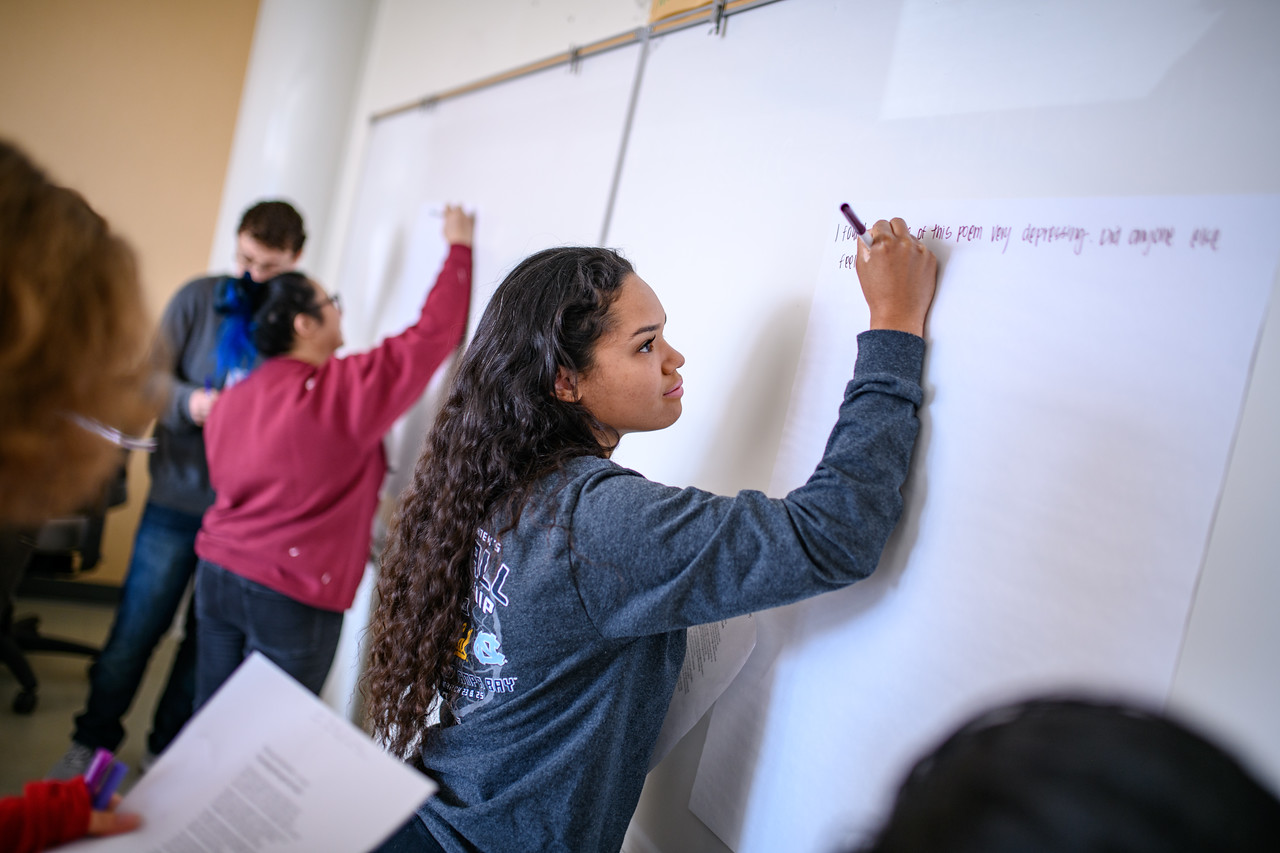
- Evening classes and community-based locations
- Designed for working adults and place-bound students
- Growing demand for a permanent campus presence
- A “center” that steadily expanded its offerings
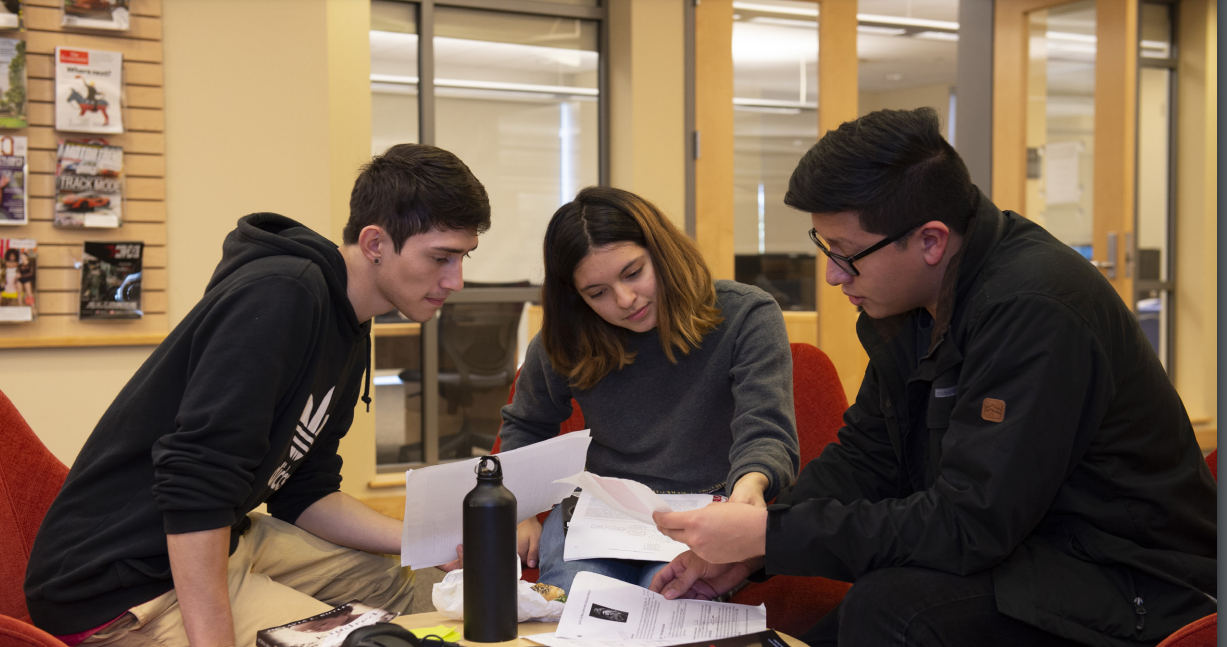
- A comprehensive campus experience with modern facilities
- Transfer preparation, career education, and GE options
- Support centers and spaces designed for connection
- Day and evening classes that fit real schedules
Milestones
Key moments in the growth of SRJC Petaluma—with a quick note on why each step mattered.
1964
SRJC begins offering classes in Petaluma
Courses start in rented or shared spaces—meeting students where they are.
1985
A permanent campus site is acquired
The SRJC Board of Trustees purchases a 40-acre site in east Petaluma.
1995
Permanent Petaluma Center facilities open
The first phase of the permanent campus opens and begins serving students in purpose-built spaces.
1999
Petaluma becomes a full SRJC campus
The Petaluma Center is officially designated as a full SRJC Campus.
2008–2009
Major expansion & modernization
A second phase of construction significantly expands the campus and adds key facilities.
Today
A smaller campus feel—with big options
Petaluma serves thousands of students each year with day and evening classes and multiple pathways.
A campus shaped by place
Petaluma’s campus is designed to feel grounded in the region—welcoming, walkable, and built for community. Outdoor spaces and campus gathering places support connection and learning.
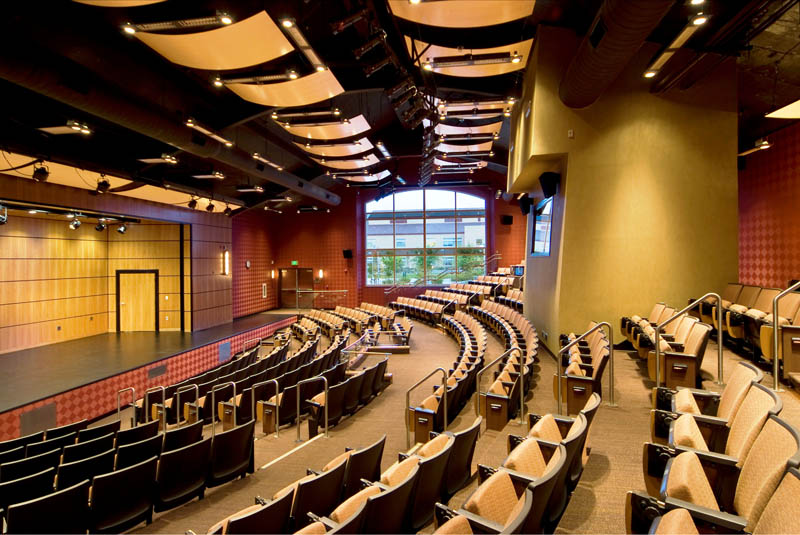
Gathering spaces
Campus events and community moments happen here—bringing students and neighbors together.
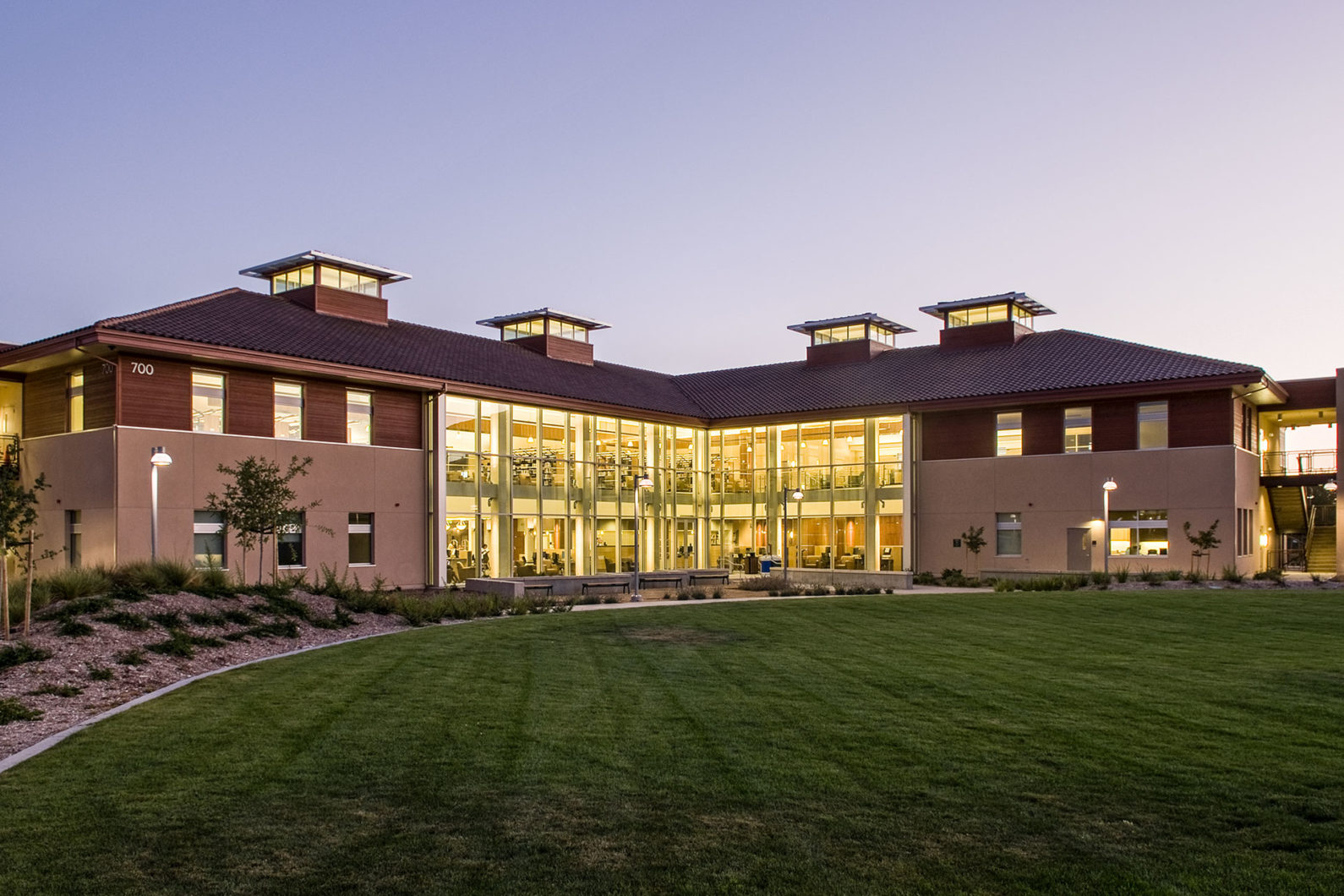
Modern learning environments
Study-friendly spaces and updated facilities support students across programs and schedules.
Investment & growth
Petaluma’s growth reflects a long-term commitment to access and facilities that match community needs. Across SRJC, investments in modern classrooms, technology, and student spaces have helped expand educational opportunity.
How a campus gets built (the short version)
In the mid-1980s, SRJC secured a permanent Petaluma site—creating the foundation for a full campus. In the 2000s, facilities funding and construction projects supported major expansion, adding modern learning and student spaces. Districtwide bond-funded improvements and technology upgrades have continued to strengthen student access and learning environments.
Petaluma today
Today SRJC Petaluma offers a small-campus experience with big opportunities—transfer preparation, career education, student support, and campus life designed for connection.
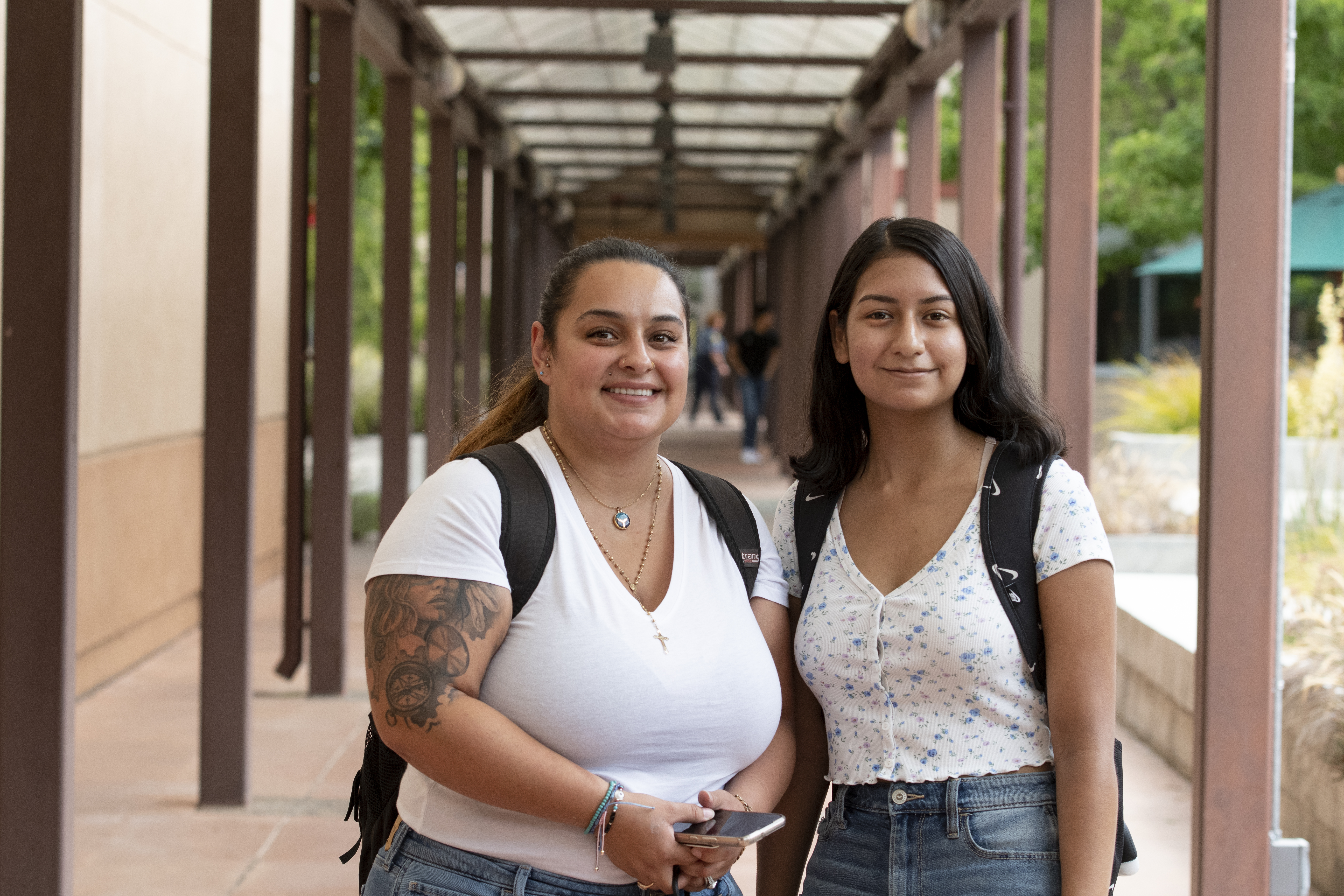
Connection & belonging
Students connect through support centers, peer engagement, and campus events that build community.
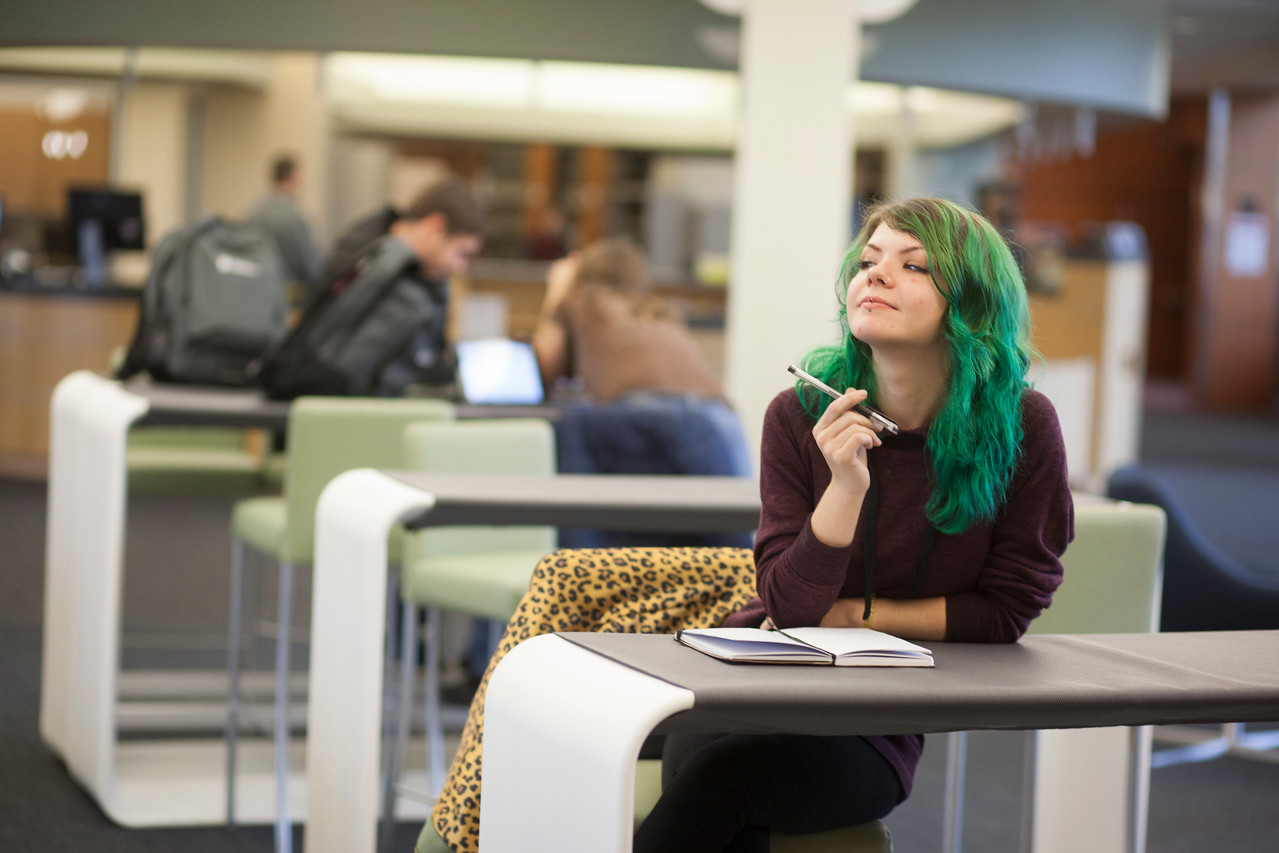
Momentum toward goals
From getting started to staying on track, Petaluma is built to help students keep moving forward.